
Building a pond in your yard can bring a calm and natural feeling to your space. The gentle sound of water and the sight of plants can make even a small garden feel peaceful. Many homeowners think pond construction is difficult, yet it can be done step by step with basic tools and planning. A well-built pond can last for years with simple care. It starts with a clear idea.
Planning the Size and Location
The first step is choosing the right place for your pond. Pick a building a pond spot that gets about 5 hours of sunlight each day, as this supports plant growth without causing too much algae. Avoid areas under large trees because falling leaves can quickly dirty the water and block sunlight. Look at the ground carefully.
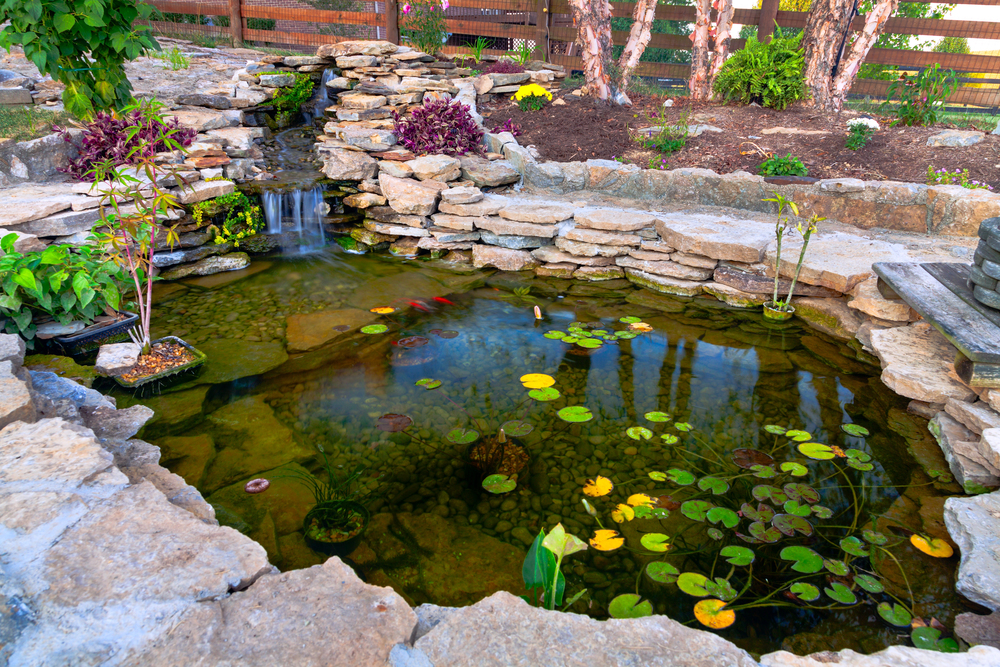
Think about the size before you begin digging. A small pond can be around 1.5 meters wide, while a larger one may reach 3 meters or more depending on your space. Deeper ponds help fish survive better, especially in hot climates where shallow water heats up fast. Measure twice. Dig once.
You should also consider how the pond fits into your overall garden design, including paths, seating areas, and nearby plants, so it looks like a natural part of the landscape instead of something placed without thought or connection.
Choosing Materials and Tools
The materials you use will affect how long your pond lasts. Flexible liners made from rubber are popular because they fit any shape and resist damage. Preformed plastic shells are easier to install, though they limit creativity. Pumps and filters are needed to keep water clean and moving.
Some homeowners like to add modern touches to their outdoor space, and in rare cases they even explore tools like to control lighting or water features with simple taps. This idea is optional and more common in advanced setups. Most ponds work perfectly fine with manual systems.
Other basic materials include stones, gravel, and aquatic soil. You may need around 250 kilograms of rocks for a medium pond, depending on the design and edge style. Clean all materials before placing them in water. Dirt can cloud the pond quickly.
Steps to Build the Pond
Start by marking the shape on the ground using rope or spray paint. Once you are happy with the outline, begin digging slowly and carefully. Keep the sides slightly angled to prevent collapse. The digging stage may take 6 to 10 hours for an average-sized pond.
Remove sharp objects from the soil before placing the liner. Even a small stone can damage it over time. Lay a soft base layer like sand or fabric to protect the liner. Place the liner evenly and press it into all corners.
Fill the pond with water gradually. As the water rises, adjust the liner to remove wrinkles. Leave about 30 centimeters of extra liner around the edges before trimming. This helps secure it with stones later.
Install the pump and connect it safely to a power source. Test the system before adding decorations or plants. Fix problems early. It saves time.
Adding Plants and Fish
Plants play a big role in keeping the pond healthy. Floating plants like lilies provide shade and reduce algae growth. Submerged plants help add oxygen to the water. Try to cover about half the surface with plants for balance.
Fish can be added after the water settles for a few days. Start with a small number, such as 4 or 5 fish, and watch how they behave. Overcrowding can cause stress and poor water quality. Feed them once daily.
Here are a few items you may include:
– Water lilies for shade and beauty
– Oxygenating plants for water balance
– Small fish like goldfish for movement
– Rocks for shelter and decoration
Fish need hiding places to feel safe from predators and strong sunlight. Use rocks or plant clusters to create shaded areas. Temperature matters a lot. Warm water holds less oxygen.
Maintenance and Care
Keeping your pond clean requires regular effort. Remove leaves and debris every few days to prevent decay. Clean the filter at least once every two weeks, depending on how dirty it gets. Check water clarity often.
Water levels can drop due to evaporation, especially during hot months when temperatures reach above 35 degrees Celsius in some regions, so you may need to refill the pond every few days to maintain a stable level.
Test the water once a month using a simple kit. Look at pH and ammonia levels to ensure a healthy environment for fish and plants. Seasonal care is also needed. Use a net during autumn to catch falling leaves.
A well-maintained pond can remain clear, balanced, and enjoyable for many years, providing a relaxing outdoor feature that continues to improve the overall atmosphere of your home space.
A pond adds life and calm to any yard when built with care and patience. Each step, from planning to maintenance, plays a role in its success. Take your time and enjoy the process. The result is a peaceful water space that grows more beautiful over time.